 English
 Arabic
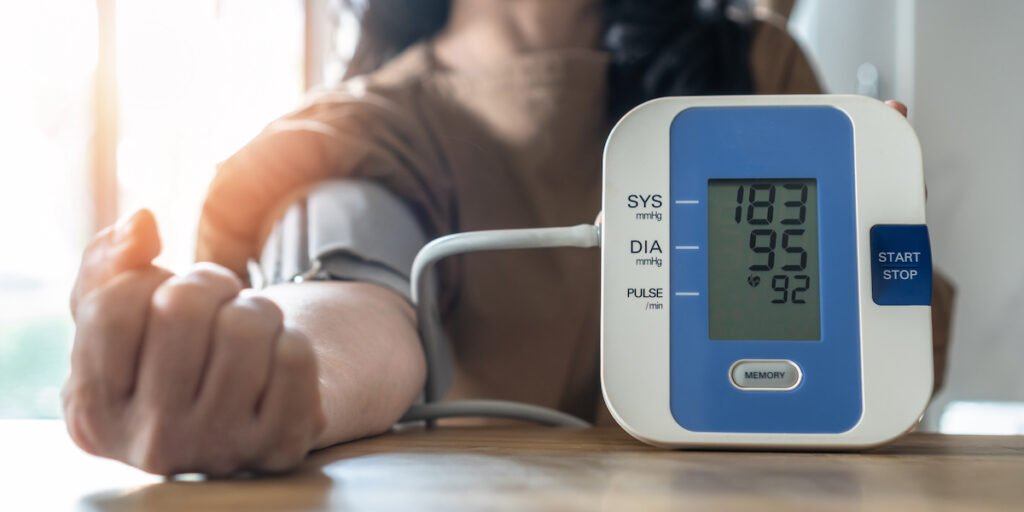
Most people with high blood pressure feel fine. That’s not reassuring — that’s the problem.
Hypertension has been called the silent killer for a reason. It can run at dangerously elevated levels for months or years while producing no symptoms that would make you stop and take notice. No pain. No fatigue you wouldn’t attribute to a busy week. Nothing obviously wrong. And then — a stroke, a heart attack, kidney failure, or vision loss. Not as a warning. As an outcome.
The cardiologists in Dubai at German Heart Centre — a leading health centre in Dubai Healthcare City — want every UAE resident to understand two things: what high blood pressure symptoms actually look like when they do appear, and why the absence of symptoms is never a reason to skip a check. In a region where heat, dietary habits, and high-stress lifestyles all push blood pressure upward, this knowledge matters more than most people realise.
Why High Blood Pressure Often Has No Symptoms at All
The cardiovascular system is remarkably adaptable. When blood pressure rises gradually — which is the typical pattern in primary hypertension — the heart, blood vessels, and organs quietly compensate over time. The heart muscle thickens slightly to cope with the extra pressure. The vessel walls stiffen. The kidneys adjust their fluid regulation. All of this happens without producing any sensation you would notice or describe as a symptom.
This compensatory phase can last years. The damage accumulates silently in the arterial walls, the heart chambers, the kidneys, and the small blood vessels supplying the eyes and brain. By the time a symptom does appear, it often means the compensation has been outpaced — that the pressure has been high enough, for long enough, to push one of these systems past its threshold.
This is why routine blood pressure measurement matters so much. A number on a monitor is the only way to know what your arteries are managing while your body stays quiet about it. Our annual health check-up packages include blood pressure monitoring as a baseline — not because we expect something to be wrong, but because catching a trend early is the entire point.
High Blood Pressure Symptoms That Deserve Attention
When symptoms do appear, they tend to emerge either because blood pressure has risen sharply and acutely, or because the sustained damage from long-term hypertension has finally produced a measurable consequence. Here is what to watch for — and what each symptom may mean.
Headaches — Particularly in the Morning
A morning headache, typically felt at the back of the head, is one of the symptoms most associated with elevated blood pressure. Blood pressure naturally peaks in the early hours after waking — a pattern known as the morning surge — and in people with poorly controlled hypertension, this surge can be pronounced enough to produce a headache.
Most headaches are not caused by high blood pressure. But a recurring morning headache, particularly one that arrives without other explanation and improves as the day progresses, is worth discussing with a heart doctor in Dubai UAE. It may be incidental. It may also be the first symptom you’ve noticed from a condition that has been building quietly for some time.
Dizziness and Episodes of Lightheadedness
Dizziness can occur both when blood pressure is very high and when it drops suddenly — as can happen in patients on hypertension treatment whose medication is having a stronger effect than expected. Sudden positional dizziness — standing up and immediately feeling lightheaded — can indicate orthostatic hypotension, a drop in blood pressure when changing position, which is common in treated hypertensive patients, particularly during UAE summer when dehydration amplifies the effect.
Either pattern is worth reporting at your next cardiac consultation. Read more about how UAE summer heat affects the heart and compounds these blood pressure fluctuations.
Shortness of Breath
Unexplained breathlessness — the kind that appears with minimal exertion or at rest — can be a sign that sustained high blood pressure has begun to affect the heart’s pumping efficiency. Long-term hypertension causes the left ventricle to work harder against elevated pressure, and over time that chamber can enlarge and stiffen, leading to early heart failure. Breathlessness is often one of the first signs that this process is underway.
If you experience breathlessness alongside ankle swelling or fatigue that worsens when lying flat, that combination warrants prompt evaluation. Our colleagues have covered swollen feet as a heart failure warning sign in more detail on our blog. And if breathlessness has become a regular feature of your days, see when shortness of breath becomes serious for further guidance.
Chest Pain or Tightness
Chest pain in the context of hypertension warrants urgent assessment. Sustained high blood pressure accelerates the development of coronary artery disease, making angina and heart attack more likely over time. It also causes the aortic wall to become more vulnerable to dissection — a tearing of the aorta’s inner layer that presents as sudden, severe chest or back pain and is a vascular emergency.
Any new chest pain in a person with known high blood pressure should be treated as cardiac until proven otherwise. An ECG test in Dubai provides rapid initial data, and our emergency service is available for acute presentations. Do not self-manage chest pain if you are hypertensive.
Visual Disturbances
The small blood vessels at the back of the eye — in the retina — are among the first places that sustained high blood pressure causes visible structural damage. This is not usually felt as pain, but can produce blurring, flashing lights, or a sudden change in vision that comes without explanation.
More acutely, a sudden severe headache combined with visual disturbance and very high blood pressure readings can signal a hypertensive emergency — a situation where blood pressure is high enough to cause immediate risk of stroke or organ damage. This is not something to manage at home. Get to emergency cardiac care without delay.
Palpitations and an Irregular Heartbeat
Long-term hypertension is one of the leading drivers of atrial fibrillation (AFib) — an irregular heartbeat that significantly raises stroke risk. If you have high blood pressure and start noticing palpitations, a fluttering heartbeat, or episodes of irregular rhythm, this combination deserves prompt cardiac evaluation.
We’ve covered what an irregular heartbeat means and how it’s diagnosed in detail on our blog. An ECG test or Holter monitoring can capture an arrhythmia that wouldn’t otherwise be visible at a single clinic visit.
Nosebleeds
Nosebleeds are not a reliable indicator of high blood pressure — most happen for entirely unrelated reasons. But frequent, unprovoked nosebleeds in an adult who hasn’t had their blood pressure checked recently are worth noting. In very high blood pressure, the small vessels in the nasal lining can rupture more easily. It’s a soft signal, not a diagnostic one — but it’s a prompt to get a reading done.
Fatigue That Doesn’t Make Sense
Persistent tiredness that isn’t explained by sleep, workload, or illness can sometimes be an early sign that the heart is working harder than it should. In the UAE, where busy schedules and disrupted sleep are common, it is easy to attribute fatigue to lifestyle. But fatigue combined with any other symptom on this list — headaches, palpitations, breathlessness — pushes that combination into territory worth investigating.
A thyroid function test is also worth including in the workup, as thyroid disorders produce fatigue and can both mimic and exacerbate hypertension. Similarly, a kidney function test checks whether blood pressure has already affected kidney filtration, which itself contributes to further blood pressure elevation in a cycle that becomes harder to break the longer it continues.
Why Hypertension Is a Particular Concern in the UAE
Several features of life in the UAE create conditions where high blood pressure develops and progresses more readily. A diet high in sodium — from processed foods, fast food, and preserved products — drives fluid retention and vascular resistance. A sedentary indoor lifestyle, particularly during the summer months, reduces the cardiovascular benefit of physical activity. Chronic work-related stress — common across the UAE’s expatriate and professional population — maintains elevated cortisol and adrenaline, both of which raise blood pressure over time.
And then there is the summer heat. When temperatures exceed 45°C, blood vessels dilate to help cool the body, causing blood pressure to fluctuate in ways that can be particularly disruptive for patients already managing hypertension treatment. Dehydration compounds this, reducing blood volume and creating unpredictable pressure swings. Summer is not a season to skip blood pressure monitoring — it is the season to increase it.
What Happens at a Hypertension Consultation at German Heart Centre
A dedicated hypertension assessment at our health centre in Dubai goes beyond a blood pressure reading. Our German cardiologists in UAE take a full clinical history, assess cardiovascular risk factors, and use diagnostic tools to understand what blood pressure has already done to the heart, kidneys, and vessels:
- A resting ECG test assesses whether the heart has begun to show changes from the sustained pressure load — including early signs of left ventricular hypertrophy
- Kidney function tests check whether the kidneys have been affected, both as an end organ and as a driver of further blood pressure elevation
- Thyroid function tests and liver function tests complete the metabolic picture and exclude secondary causes of hypertension
- A Holter monitor may be used if palpitations or suspected arrhythmia accompany the hypertension
- For patients with exertional symptoms, a cardiopulmonary exercise test (CPET) assesses cardiac reserve and how the heart responds to physical load
Treatment ranges from lifestyle modification and dietary guidance to medication, combination therapy, and, in cases where a secondary cause is identified, targeted intervention. Our hypertension treatment pathway is managed by the same team responsible for the patient’s wider cardiac health — not a siloed service. That continuity matters when hypertension is contributing to heart failure, arrhythmia, or post-surgical cardiac care.
When to See a Cardiologist About Blood Pressure
Book an appointment with a cardiologist in Dubai if:
- You haven’t had your blood pressure checked in over 12 months
- You have a family history of hypertension, stroke, heart attack, or kidney disease
- You experience any of the symptoms described above — especially in combination
- You are already on blood pressure medication and your readings are not consistently well-controlled
- You are managing another cardiac condition and have not had a blood pressure review specific to summer
- You are diabetic — hypertension and diabetes together significantly accelerate cardiovascular risk
Go to emergency cardiac care immediately if:
- Blood pressure is extremely high alongside severe headache, visual changes, or confusion
- Chest pain appears alongside a very high blood pressure reading
- Sudden neurological symptoms — facial drooping, arm weakness, slurred speech — develop alongside any blood pressure symptom
Hypertension Management at German Heart Centre Dubai
At German Heart Centre, high blood pressure is treated as the serious cardiovascular risk it is — not a background condition to manage around. Our team of Germany-trained heart doctors in Dubai UAE includes specialists across the full spectrum of cardiovascular care, which means hypertension is managed in the context of the whole cardiac picture: arrhythmia risk, heart failure risk, kidney function, and long-term vascular health.
Dr. Ashraf Hussein, Dr. Eissa Mhanna, Dr. Kashif Souri, Dr. Helge Alexy, Dr. Caspar A Boerner, Dr. Beate Wild, and Dr. Masahide Nagano are all available for hypertension consultations in Dubai Healthcare City. For patients whose hypertension has progressed to require surgical assessment or intervention, Prof. Dr. Sergey Leontyev and Prof. Dr. Uwe Klima provide that capability within the same centre.
Our high-risk care packages are structured for patients with elevated cardiovascular risk profiles, including those with concurrent hypertension and other cardiac conditions. Our cardiology care packages offer a structured first-assessment pathway. Check your insurance coverage or visit our doctors page to book your consultation today. More heart health guidance is available across our heart health blog.